The Role of AI Insect Identification
Artificial intelligence is rapidly reshaping how industries manage information—and pest control is no exception. While AI has already found its way into customer service,marketing automation, and route optimization, one particularly promising frontier is image-based insect identification. With the increasing precision of AI-driven image recognition, it is worth asking: How well can these tools perform when tasked with identify inginsects in real-world pest management scenarios?
To explore this question, the Urban Entomology Lab at Perimetek Pest Management (Syracuse, NY) conducted a controlled evaluation of AI’s effectiveness in identifying insect specimens from photographs. The results were promising, but they also revealed important limitations that professionals should keep in mind.
Methodology
The study involved uploading 26 unique images of insect specimens to Chat GPT (Open AI), using only standard cell phone photography—no microscope or macro lenses. The images were taken in dorsal, ventral, or lateral views, replicating the type of documentation a technician or client might realistically capture in the field. Some images contained multiple specimens, and one test photo presented only indirect evidence: carpenter ant frass without a visible insect body.
Performance Summary
Out of 26 images submitted, the AI correctly identified 20, resulting in an overall accuracy rate of76.9%. Notably, all basic, clearly visible specimens were identified correctly. However, errors were noted in cases involving:
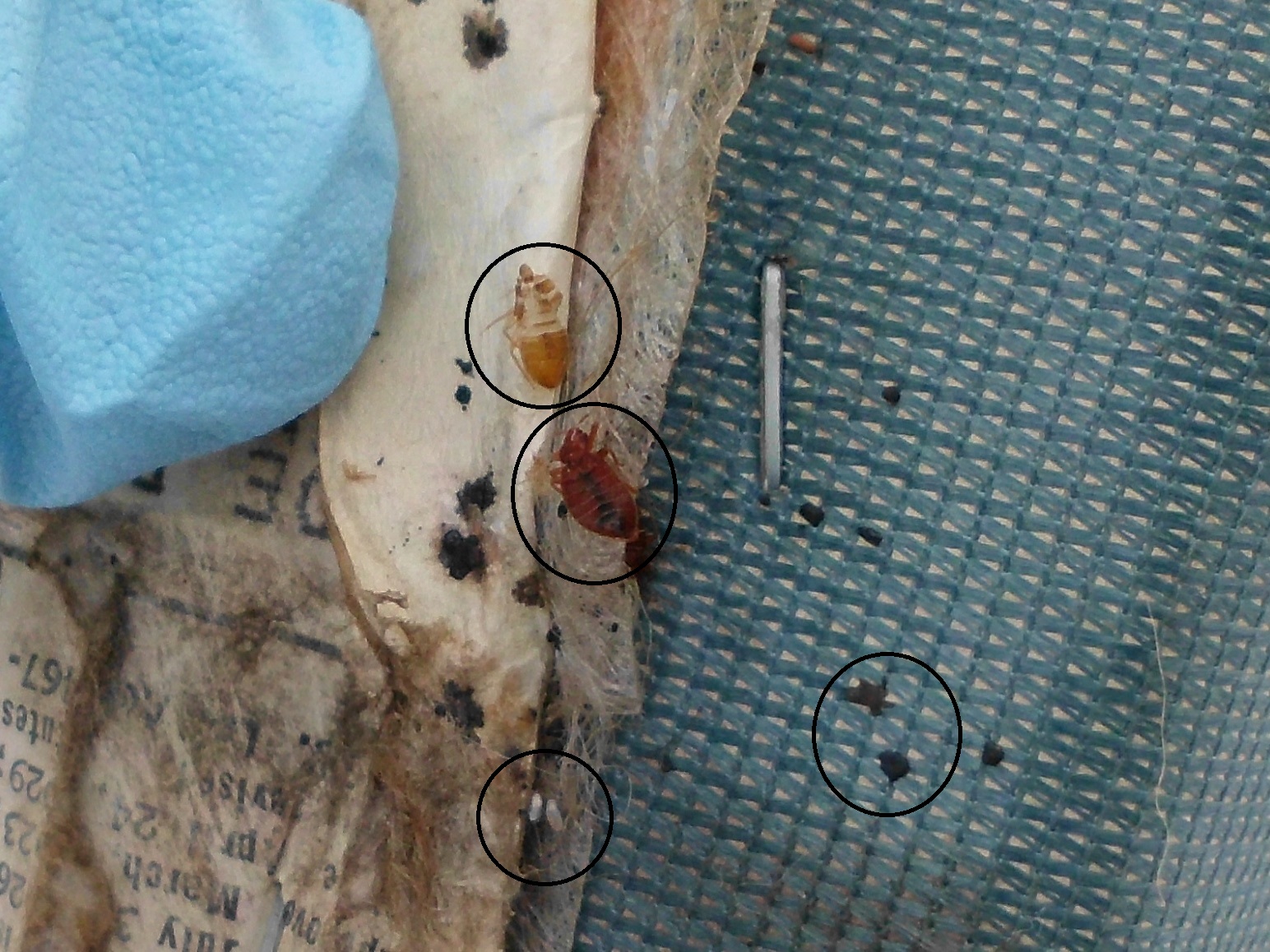
- Visually similar species: Bed Bug vs. Bat Bug; Fruit Fly vs. Phorid Fly.
- Morphologically ambiguous samples: Carpenter Ant frass misidentified as Powderpost Beetle frass.
- Subtle taxonomic distinctions: American Roach misidentified as Australian Roach.
Incorrect identifications tended to occur in smaller specimens, images with low resolution, or taxa requiring expert-level visual discernment.
Practical Implications
- While a 76.9% success rate is encouraging—particularly given the lack of specialized imaging—AI is not yet a substitute for trained entomologists in diagnostic or regulatory contexts. Inaccurate identification can lead to inappropriate treatment decisions, compromised efficacy, or even compliance violations in sensitive environments such as food processing or healthcare.
AI-based identification tools show promise for:- Preliminary identification in the field.
- Training support for junior technicians.
- Client education when paired with confirmation by experts.
However, pest management professionals should treat AI outputs as advisory rather than authoritative.Misidentifying a bat bug as a bed bug, or frass from different wood-boring insects, can lead to costly misapplications.
Conclusion
Artificial intelligence is proving to be a useful supplemental tool in pest identification workflows—but it is not infallible. Used properly, it can support and enhance technician capabilities, streamline field diagnostics, and even increase public engagement with entomology. Yet, for now, the best outcomes come from hybrid approaches that combine AI support with professional verification.