
Bed Bugs are Back...Did the Treatment Fail or Were They Reintroduced
One of the most common questions we receive from apartment managers is:
"If Bed Bugs show up again in an apartment, is this a continuationof the original infestation or has the tenant brought them back?"
The honest answer is that both scenarios occur, and determiningwhich one has happened requires careful investigation. Pest managementprofessionals must assess the evidence by considering the insect’s biology, inspection findings,treatment history, and the timeline of events.
Continued Infestation
A continued infestation means that some portion of the originalpopulation survived treatment. This can occur when:While each of thesefactors can occur, the two most common causesare disturbance of the treatment site or bed bugs being shielded from the initial treatment inside bags, bins, boxes, or similar items.Humaninterference is a leading cause of bed bug treatment failure. In many cases,well-intended activities such as cleaning furniture or mattresses with water orhousehold cleaners can unknowingly reduce the effectiveness of controlmaterials. In other cases, residents may try to help by applyingover-the-counter pesticides or alcohol sprays to beds and seating areas,inadvertently disrupting the treatment.
- Hidden harborages were missed during treatment.
- Adjacent units were infested and served as a continuing source.
- Clutter prevented complete inspection or treatment.
- Residents did not prepare the unit as instructed.
- Bed bugs were protected inside furniture or structural voids.
Reintroduction
A reintroduction occurs when the original infestation was successfullyeliminated, but new bed bugs are later introduced into the apartment unitagain.
Common sources of reintroduction include:
- Visitors
- Used furniture
- Personal belongings
- Shared laundry facilities
- Movement between infested apartments
- Home healthcare workers or caregivers
- Guests staying overnight
Unlike a continued infestation, a reintroduction represents an entirelynew introduction of bed bugs into the unit.
Travel is not listed as a primary reintroduction risk because it is often a one-time exposure. Reintroduction is morecommonly linked to routinedaily activities, such as going to the same workplace, visiting the same people, or frequenting the same stores. If bed bugs are present in one ormore of these recurring locations, repeated exposure can create a much higherrisk of bringing them back into the apartment.
What Should We Look For?
Because there is no definitive test, pest management professionalsevaluate several pieces of evidence together.
Time Since Elimination
If a unit has remained free of bed bug activity for 8 – 12 weeks,especially after negative inspections or monitor checks, the probability of anew introduction is higher. Conversely, activity appearing 1 – 4 weeks aftertreatment may suggest the original infestation was never fully eliminated.
However, it is important to understand that time alone is not proof thesource of a recurrence of Bed Bugs within a unit.
Population Size and Demographics
The numberand life stages of the bed bugs present can help indicate whether the activityreflects a recent introduction or an established population.
For example, finding only adults may suggest a recent introduction. Thisis especially true if there is a lack of droppings or cast skins from molting.To become an adult Bed Bug, a nymph must feed and molt multiple times, leavingbehind evidence of this development. If none is found, it is unlikely that theadult Bed Bug developed in that environment.
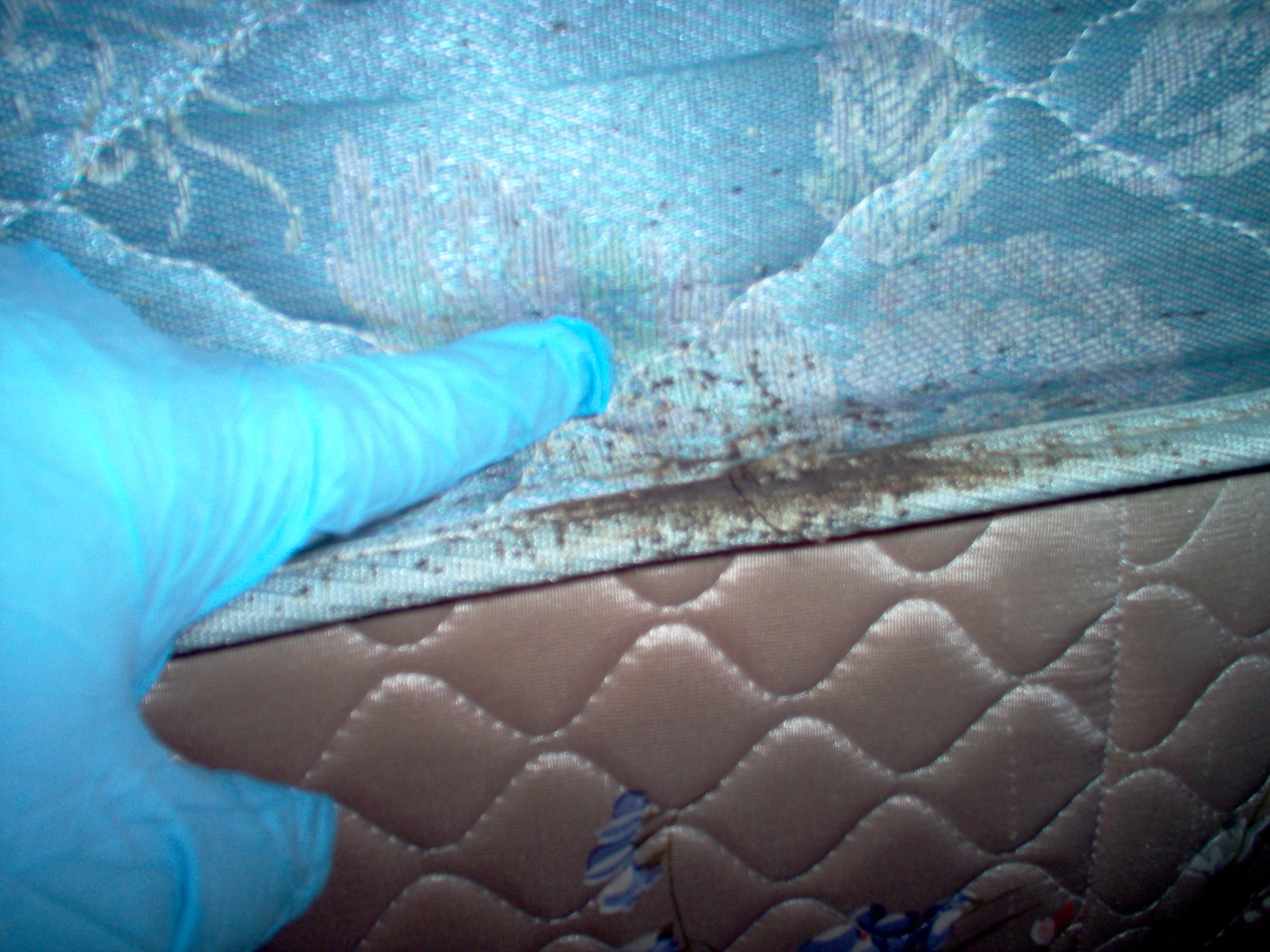
On the other hand, finding adults, nymphs of multiple sizes, cast skins,eggs, and fecal spotting would indicate that reproduction has been occurringfor weeks or months.
Why the Answer Matters
Determining the cause is important because the corrective actions aredifferent.
If the infestation continued because treatment was incomplete orneighboring units remain infested, the solution focuses on improving themanagement strategy. If the infestation represents a reintroduction, attentionshifts toward prevention, education, early detection, and identifying how theinsects entered the apartment.
Simply treating the unit again without understanding why the bedbugs are present increases the likelihood that the problem will likely remain.
The Bottom Line
Only by examining the timeline, inspection findings, treatment history,and biology of the insects can pest management professionals distinguishbetween a continued infestation and a true reintroduction.
Understanding that difference allows property managers to make betterdecisions, direct resources appropriately, and reduce the likelihood ofrecurring bed bug problems across their communities.